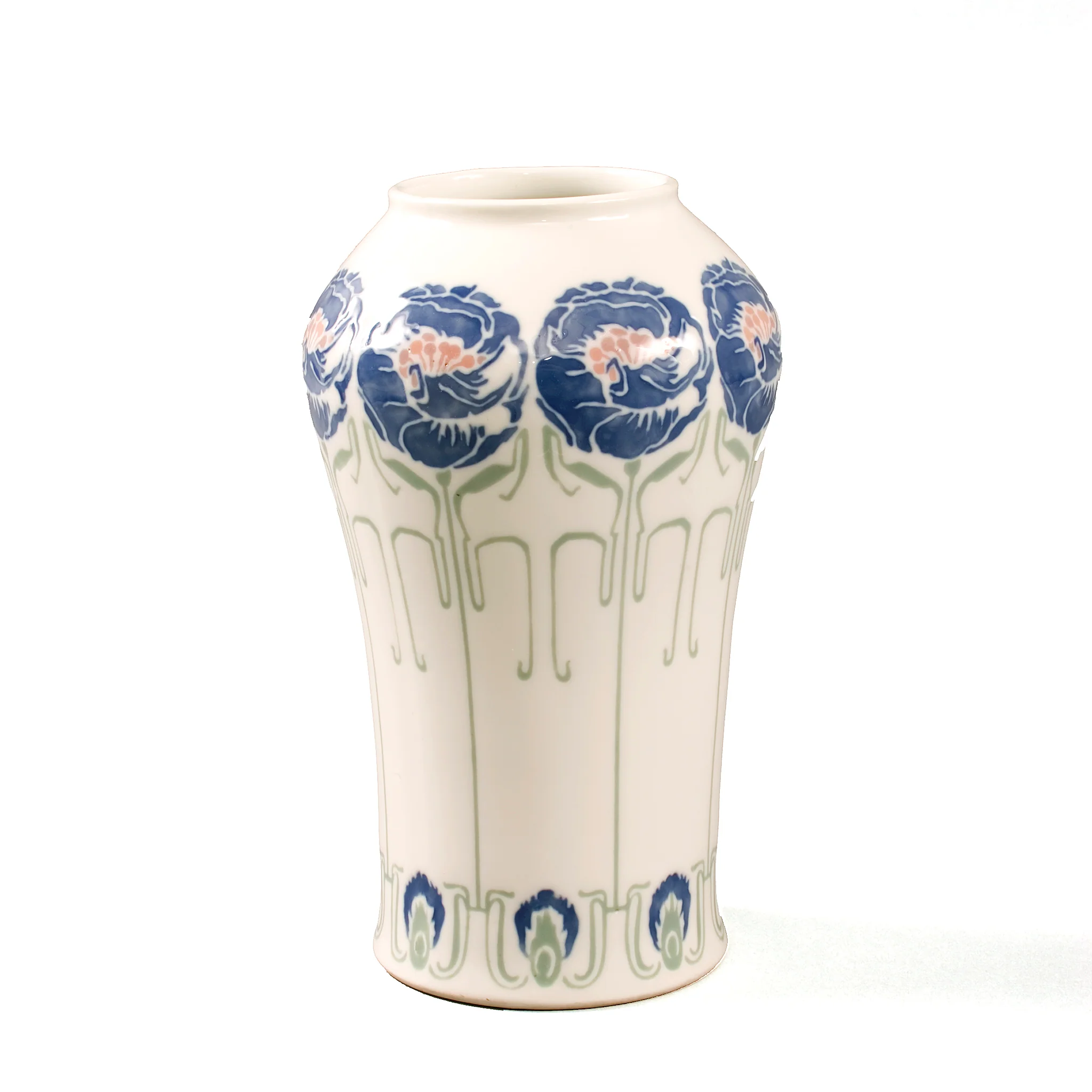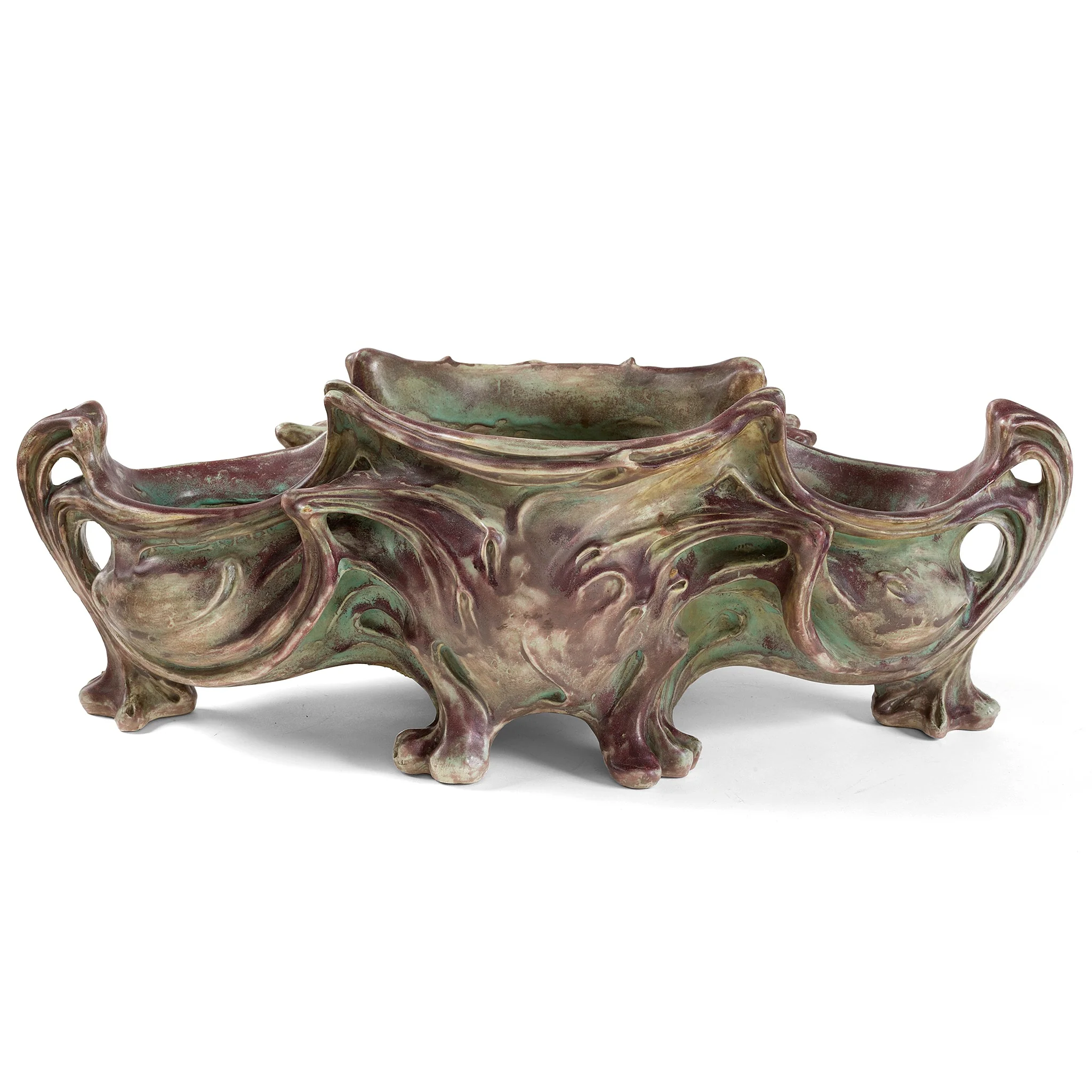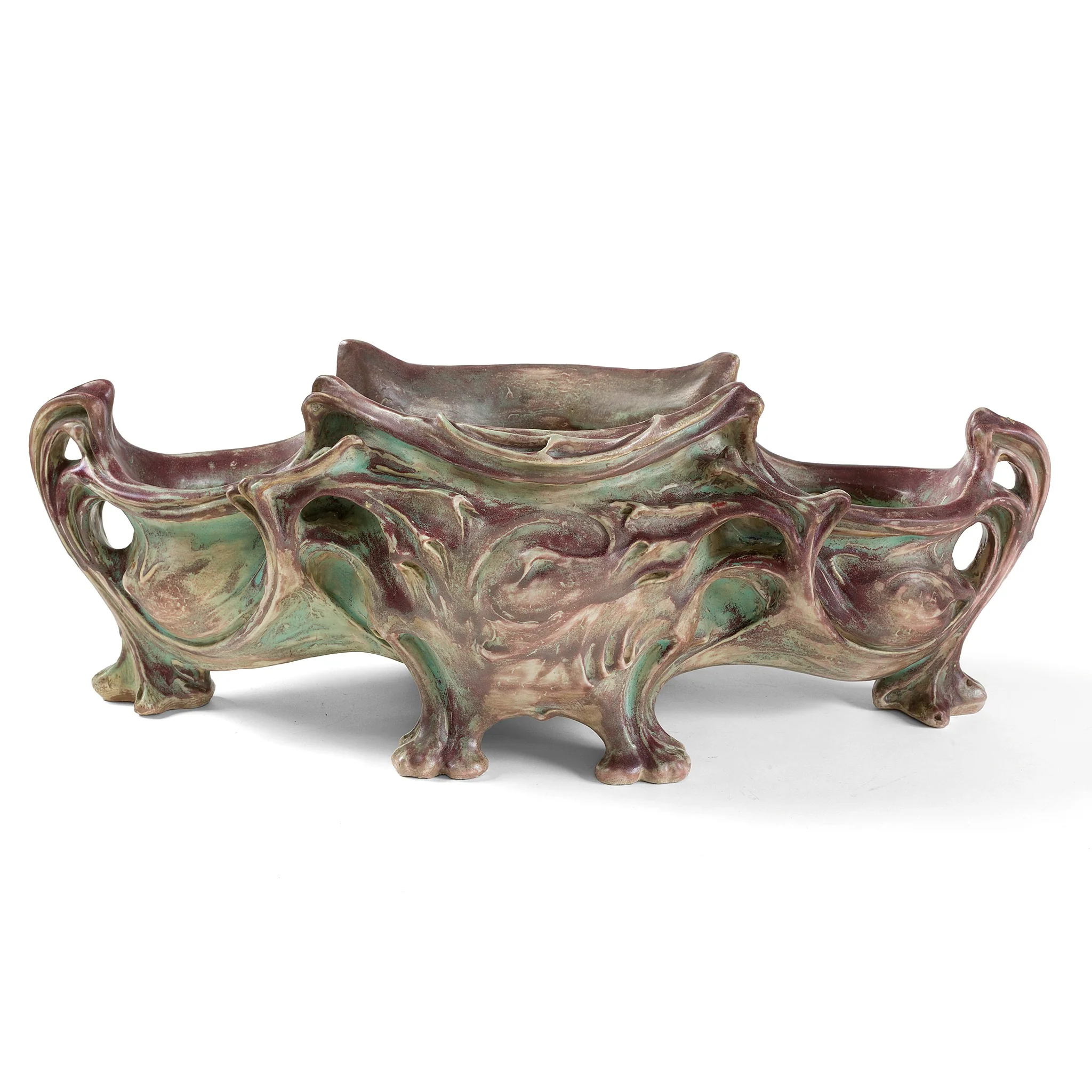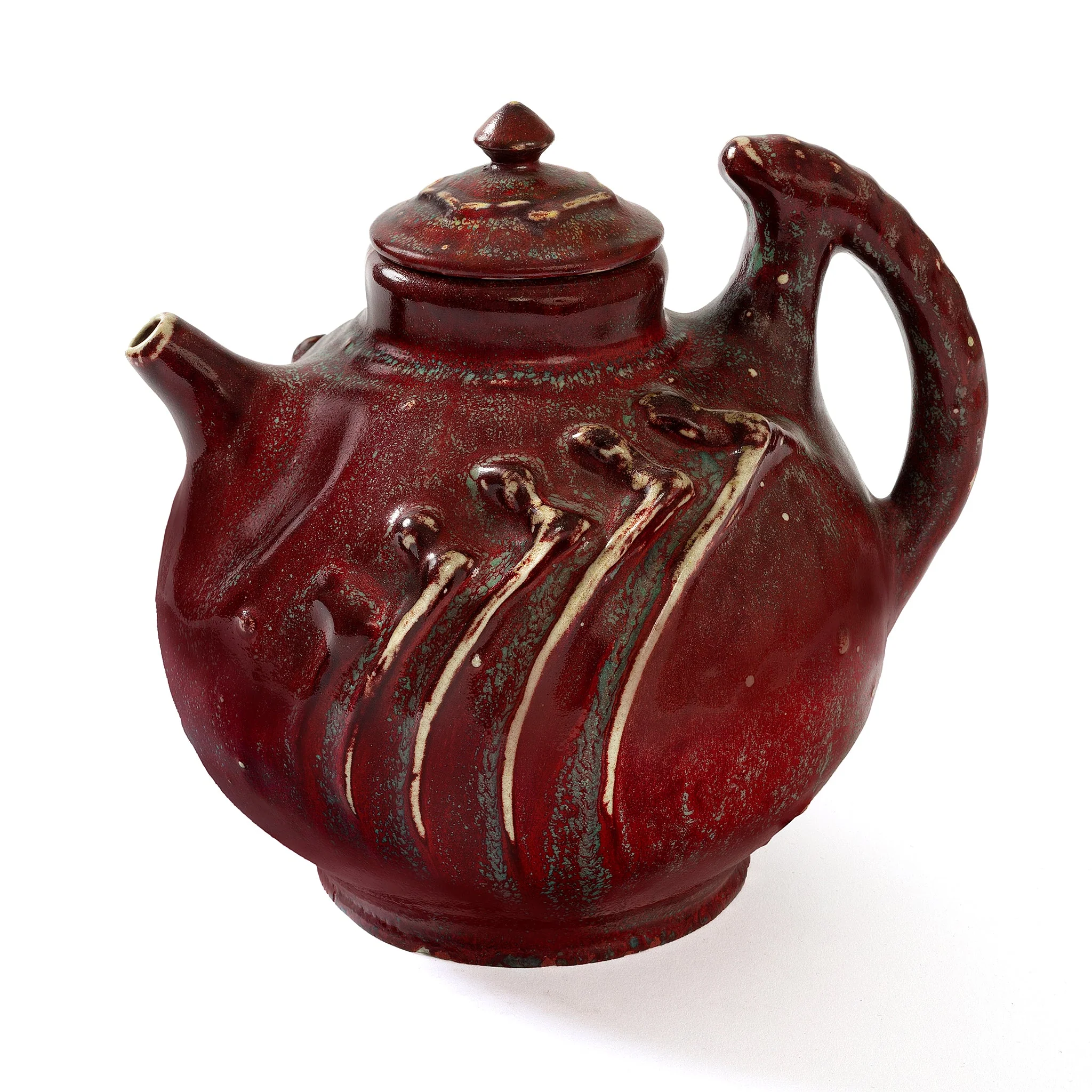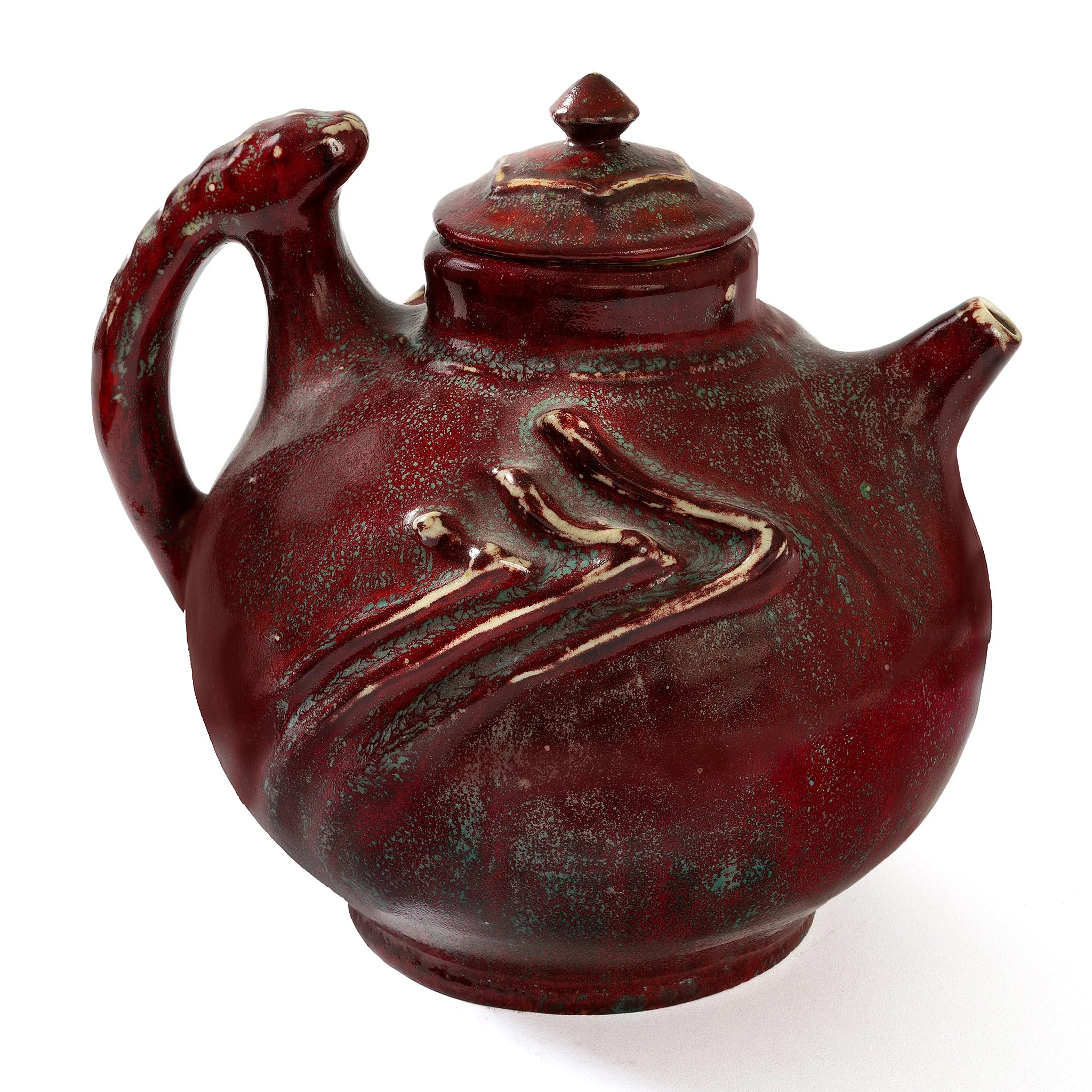
Zsolnay "Bird and Tulip" Glazed Ceramic Ewer
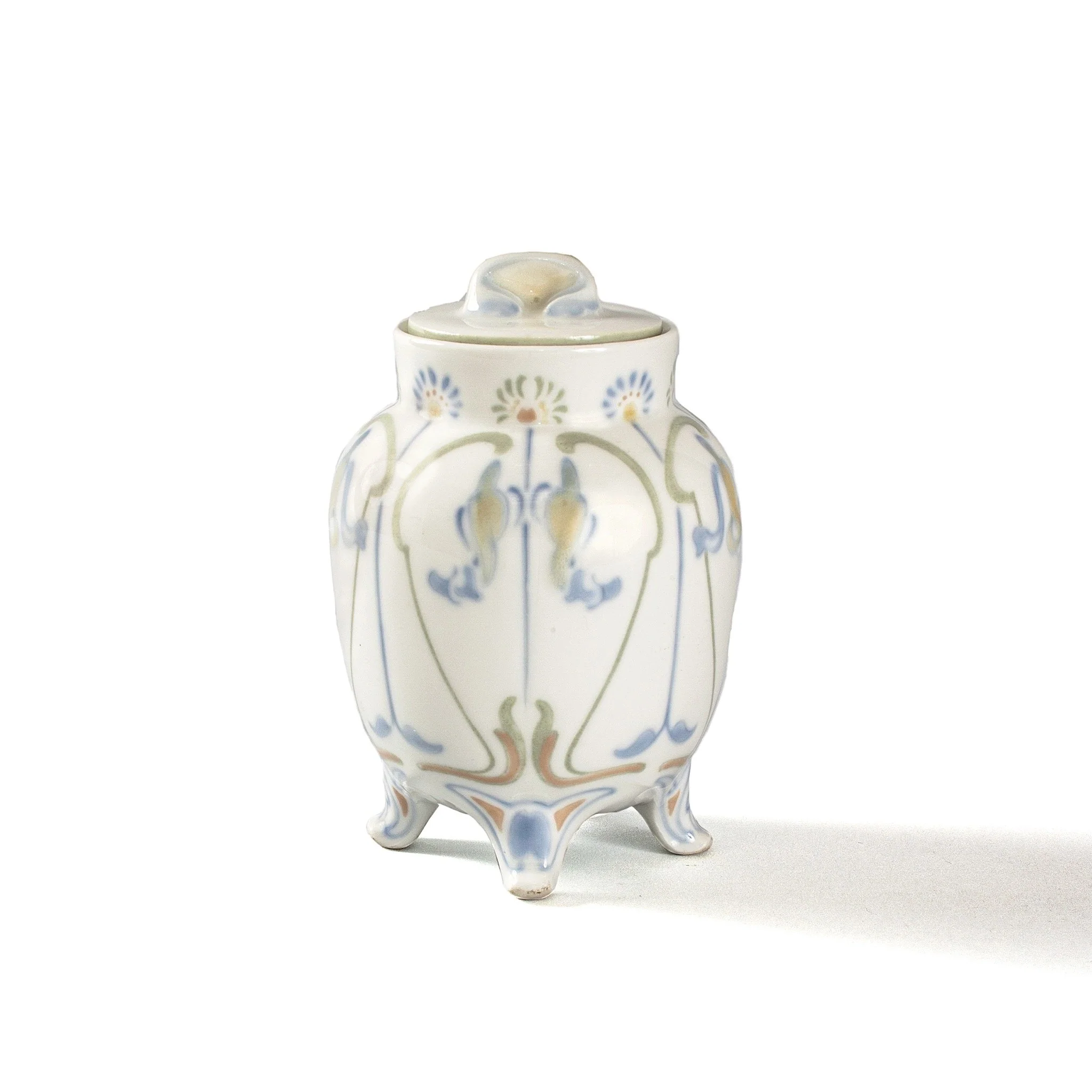
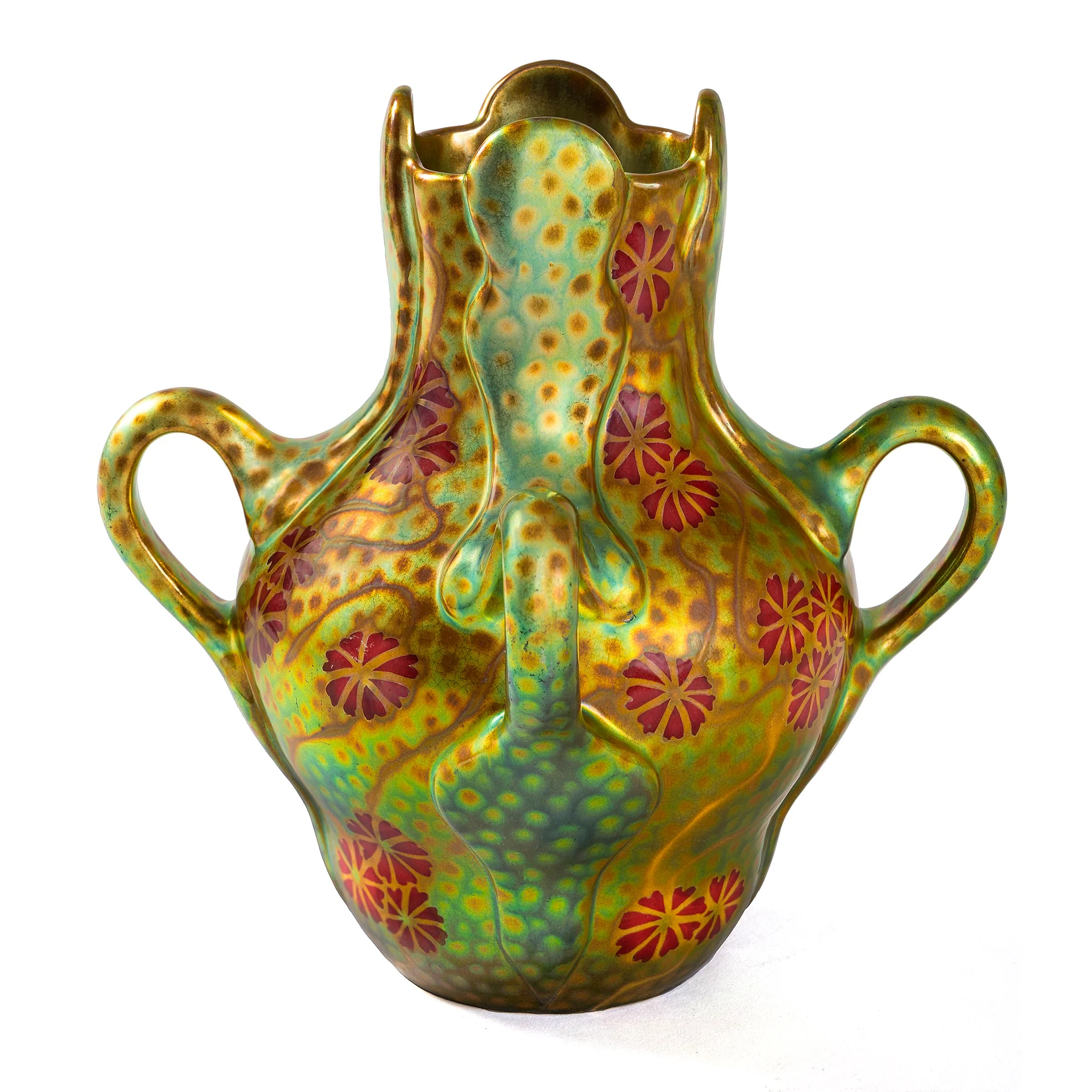
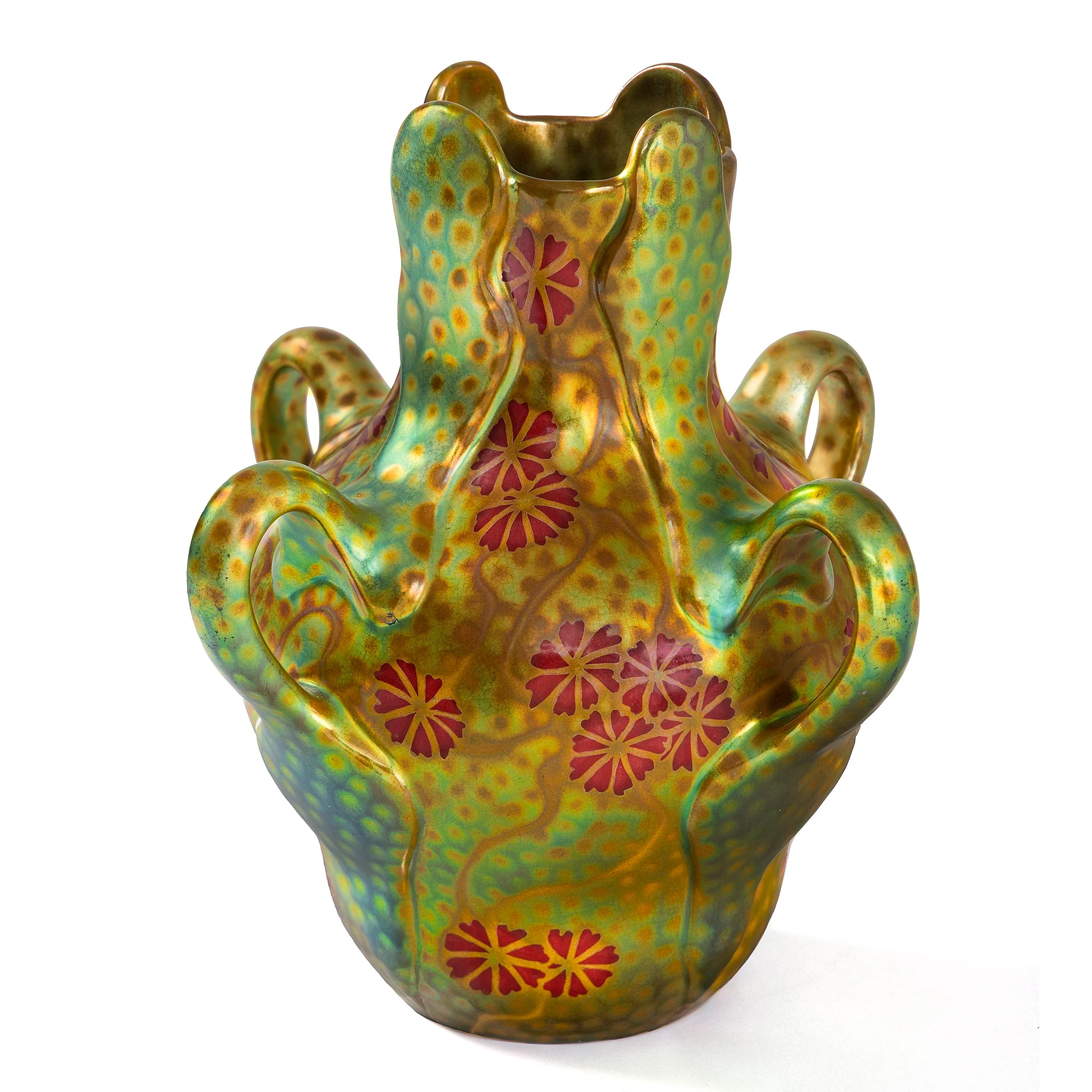
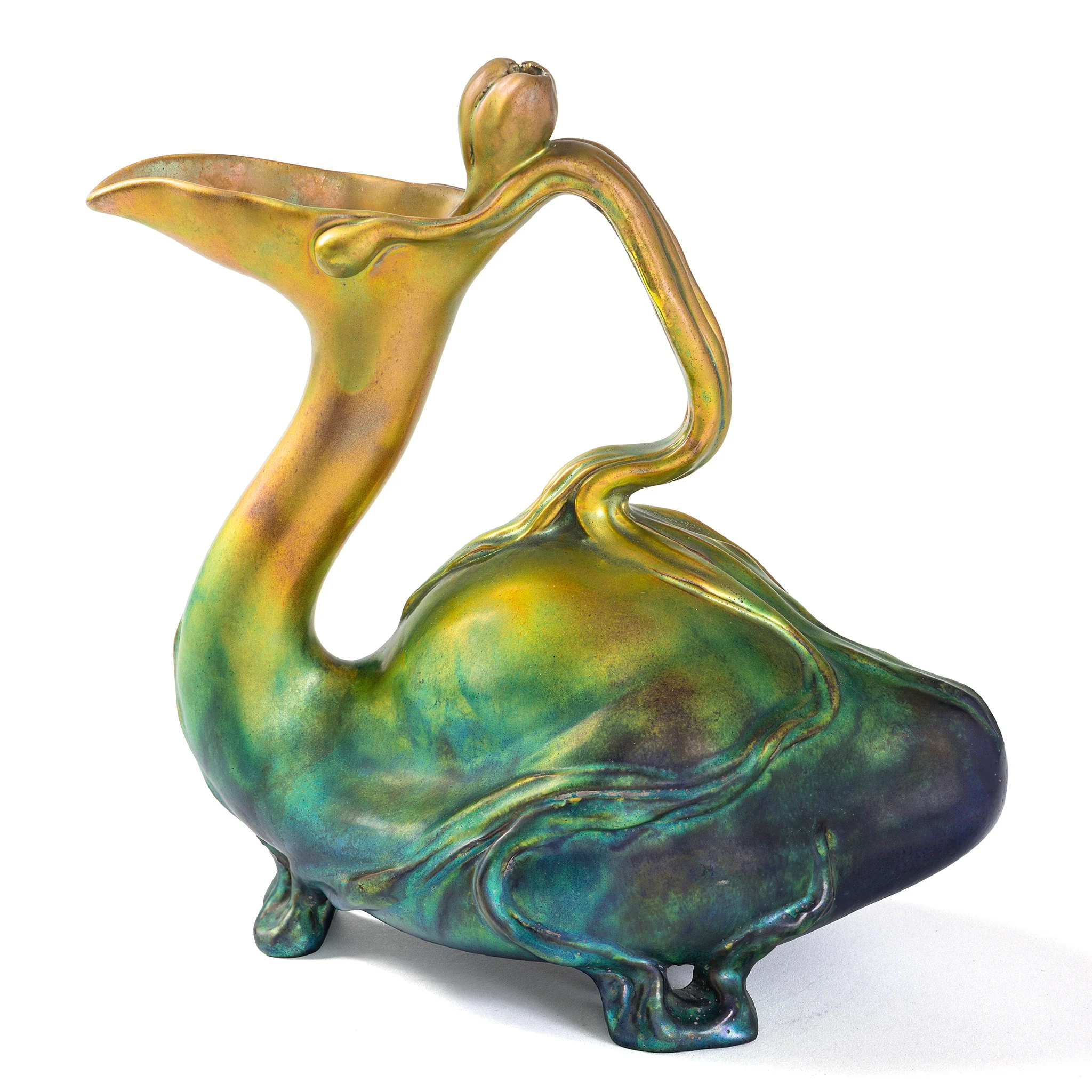
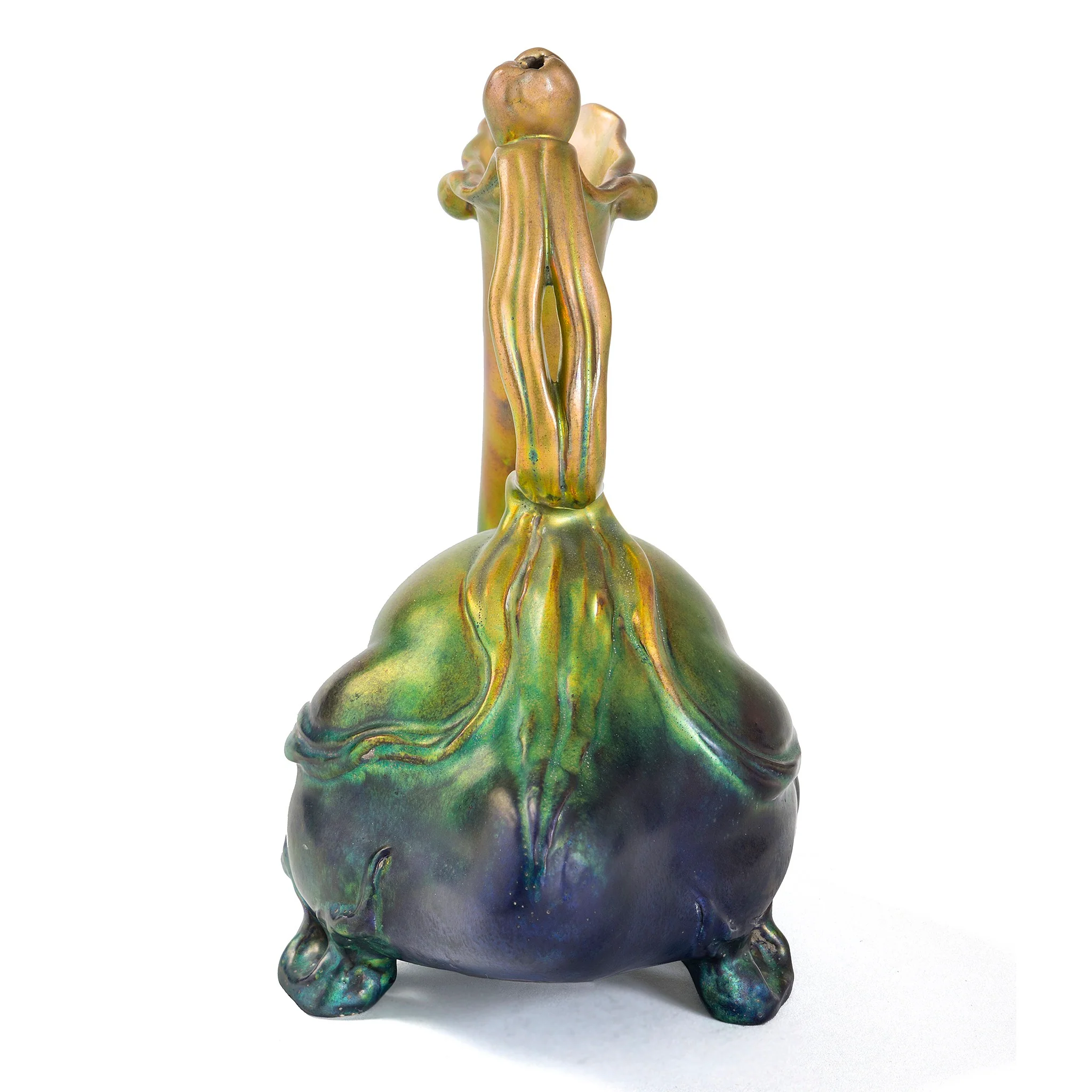
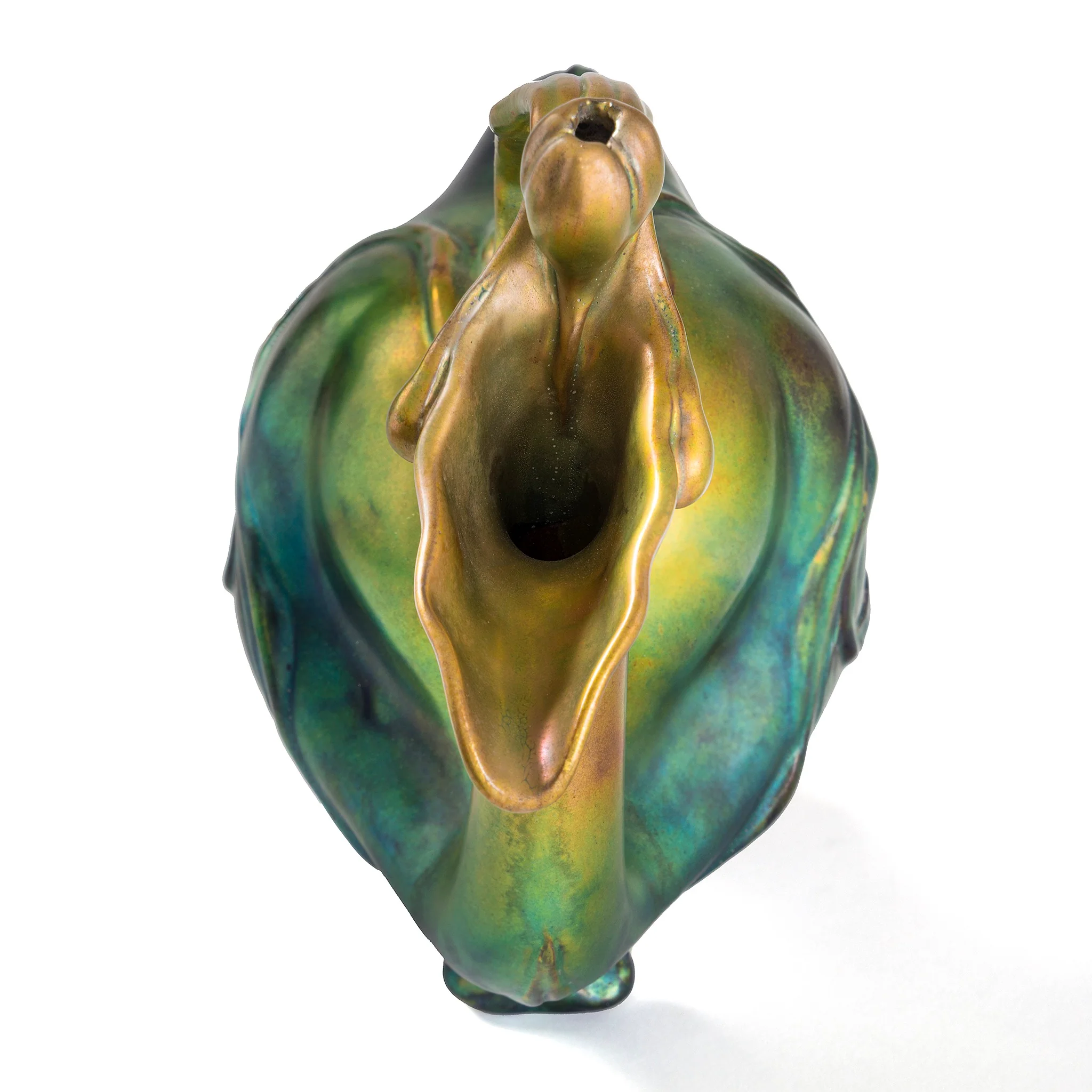
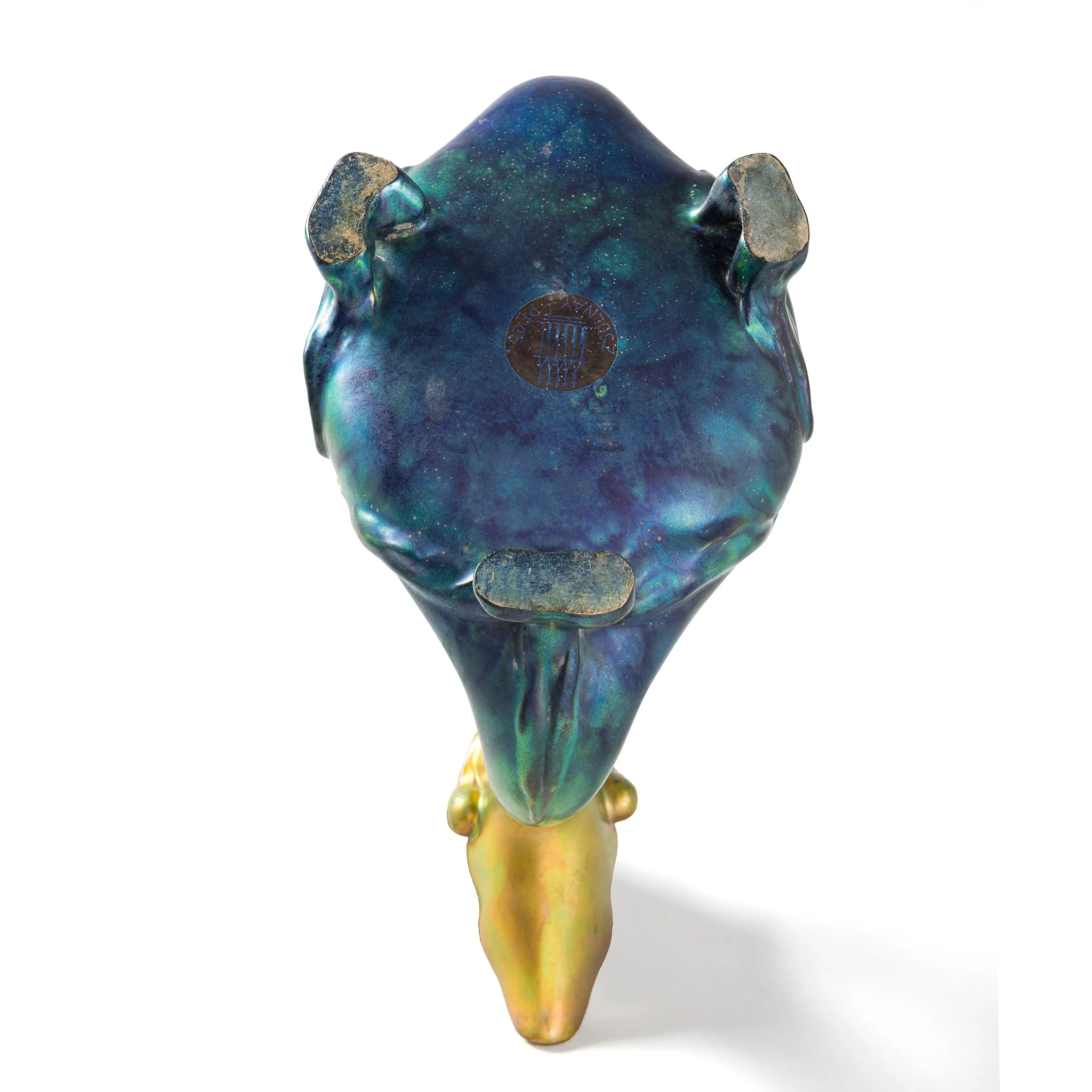
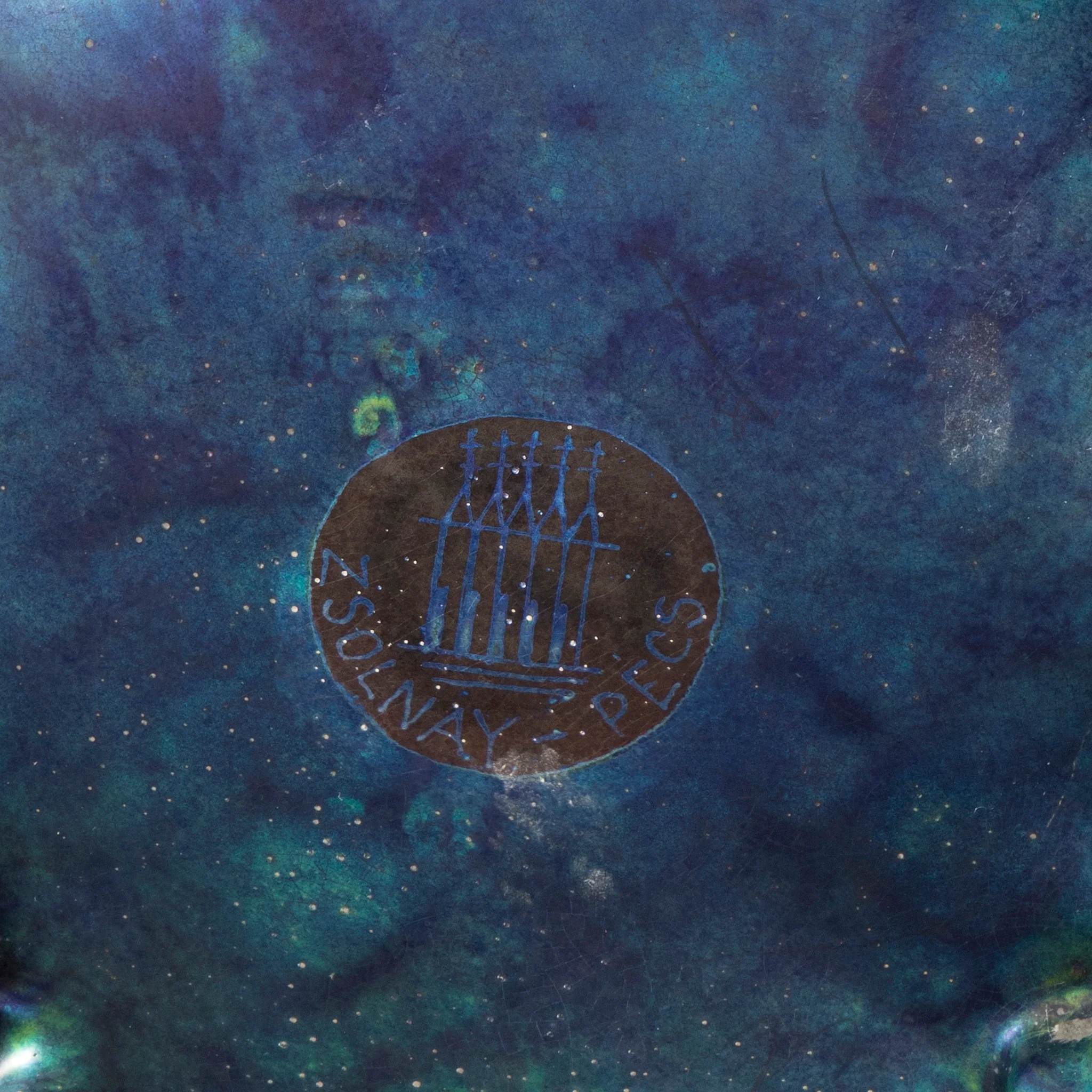
This resplendent Zsolnay bird ewer—resting on three feet and crowned with a blooming tulip handle—is a triumph of Art Nouveau design, created by Sándor Apáti-Abt for the Zsolnay manufactory. Its form draws inspiration from Bronze Age Hungarian askoi, zoomorphic vessels historically used in shamanistic rituals. Excavated from cemeteries across Hungary in the 19th century, these ancient artifacts captivated local artists and scholars alike. Some surviving askoi, now housed in Budapest museums, depict human–bird hybrids and were found to contain traces of blood or psychoactive substances. It is believed that shamans consumed these liquids during ceremonies to undergo spiritual transformation—temporarily assuming the identity of birds, aided by avian spirit guides. By the Late Bronze Age, askoi often took the shape of waterfowl—creatures able to traverse land, water, and air—reflecting their symbolic resonance with multiple cosmological realms.
This concept of metamorphosis strongly resonated with Art Nouveau’s fascination with the natural world and the fantastical, where hybrid forms—fusing flora and fauna—embodied mythological and spiritual transcendence. At the same time, Zsolnay was incorporating ideas from contemporary esoteric movements such as Theosophy, Anthroposophy, and Zoroastrianism. These belief systems merged ancient religious traditions with modern philosophies, encouraging a return to the spiritual imagination of the past.
More Images
Zsolnay "Bird and Tulip" Glazed Ceramic Ewer
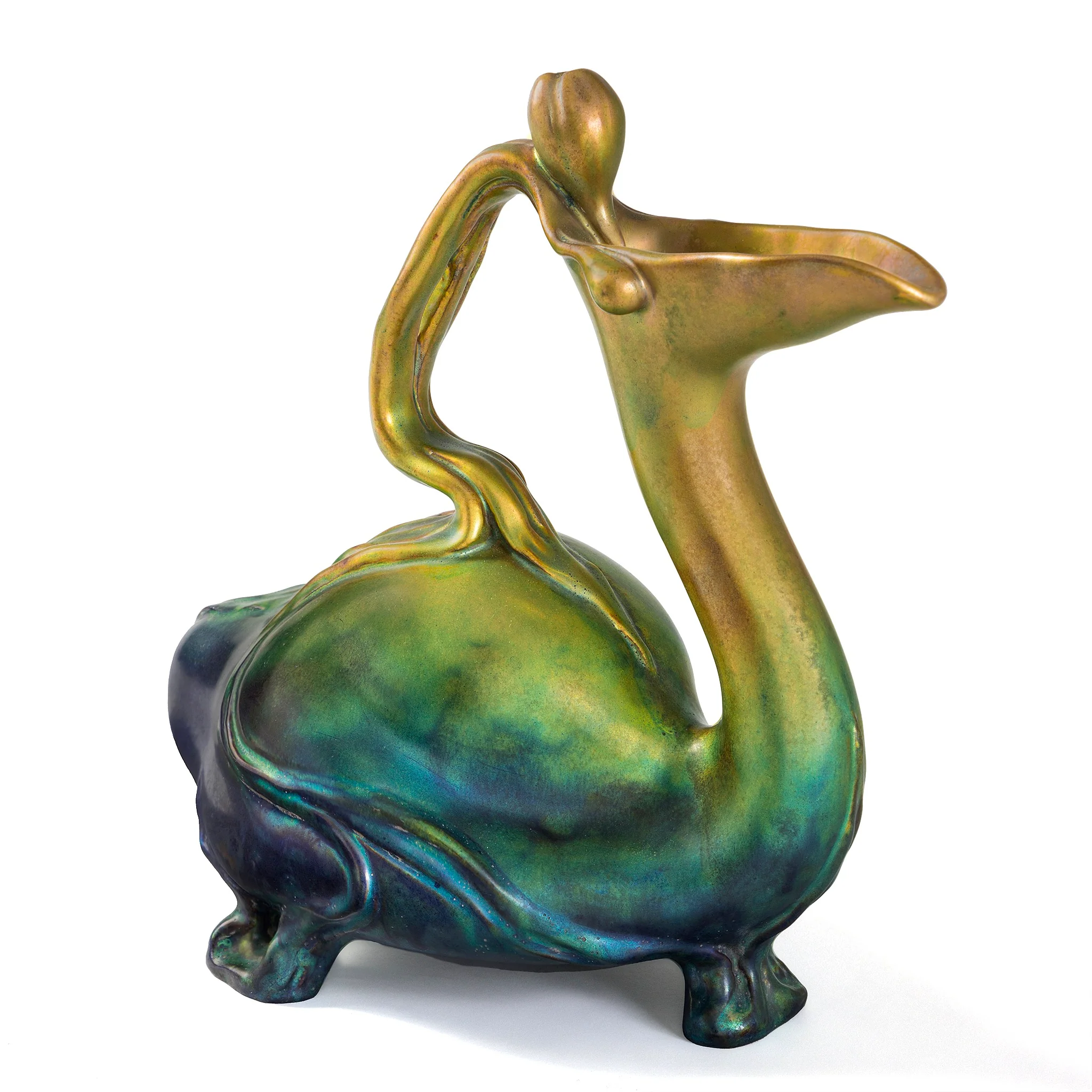
This resplendent Zsolnay bird ewer—resting on three feet and crowned with a blooming tulip handle—is a triumph of Art Nouveau design, created by Sándor Apáti-Abt for the Zsolnay manufactory. Its form draws inspiration from Bronze Age Hungarian askoi, zoomorphic vessels historically used in shamanistic rituals. Excavated from cemeteries across Hungary in the 19th century, these ancient artifacts captivated local artists and scholars alike. Some surviving askoi, now housed in Budapest museums, depict human–bird hybrids and were found to contain traces of blood or psychoactive substances. It is believed that shamans consumed these liquids during ceremonies to undergo spiritual transformation—temporarily assuming the identity of birds, aided by avian spirit guides. By the Late Bronze Age, askoi often took the shape of waterfowl—creatures able to traverse land, water, and air—reflecting their symbolic resonance with multiple cosmological realms.
This concept of metamorphosis strongly resonated with Art Nouveau’s fascination with the natural world and the fantastical, where hybrid forms—fusing flora and fauna—embodied mythological and spiritual transcendence. At the same time, Zsolnay was incorporating ideas from contemporary esoteric movements such as Theosophy, Anthroposophy, and Zoroastrianism. These belief systems merged ancient religious traditions with modern philosophies, encouraging a return to the spiritual imagination of the past.
Product Information
Product Information
Shipping & Returns
Shipping & Returns
Description
This resplendent Zsolnay bird ewer—resting on three feet and crowned with a blooming tulip handle—is a triumph of Art Nouveau design, created by Sándor Apáti-Abt for the Zsolnay manufactory. Its form draws inspiration from Bronze Age Hungarian askoi, zoomorphic vessels historically used in shamanistic rituals. Excavated from cemeteries across Hungary in the 19th century, these ancient artifacts captivated local artists and scholars alike. Some surviving askoi, now housed in Budapest museums, depict human–bird hybrids and were found to contain traces of blood or psychoactive substances. It is believed that shamans consumed these liquids during ceremonies to undergo spiritual transformation—temporarily assuming the identity of birds, aided by avian spirit guides. By the Late Bronze Age, askoi often took the shape of waterfowl—creatures able to traverse land, water, and air—reflecting their symbolic resonance with multiple cosmological realms.
This concept of metamorphosis strongly resonated with Art Nouveau’s fascination with the natural world and the fantastical, where hybrid forms—fusing flora and fauna—embodied mythological and spiritual transcendence. At the same time, Zsolnay was incorporating ideas from contemporary esoteric movements such as Theosophy, Anthroposophy, and Zoroastrianism. These belief systems merged ancient religious traditions with modern philosophies, encouraging a return to the spiritual imagination of the past.